
A note in the home inspection
Most chimney work during a sale starts with one sentence in a home inspection report. The general inspector looked at the fireplace, saw something they could not judge, and wrote that the chimney should be evaluated by a specialist. Now the buyer is nervous, the seller is defensive, and both agents want a number.
We get these calls every month from buyers and agents in Tustin and across Orange County. This post covers what a specialist inspection settles, how the findings turn into a request, and which items buyers often treat as urgent when they are not.
Why a Level 2 is the sale inspection
NFPA 211, the standard most chimney inspectors work from, describes three levels of inspection. A Level 1 is a visual check of the accessible parts. A Level 2 adds a camera scan of the full flue, a look at the roof, the attic and crawl spaces where the chimney passes, and is the level the standard calls for when a property is sold. A Level 3 means opening up walls or the chimney itself, and is only used when a Level 2 points to a hidden problem.
On this site a Level 2 inspection is $380. A Level 1 is $160, and is sometimes enough when the home inspector's note is about something visible, like a missing cap.
What we send, and to whom
The report goes to everyone named at booking. That is usually the buyer and the buyer's agent, often the listing agent too. It opens with a summary page: type of fireplace and flue, overall condition, a short list of findings. Each finding has a photo or a frame from the flue video and one of three marks.
- Fix now. Unsafe to use, or letting water into the house.
- Fix soon. Not unsafe yet, but will get worse.
- Can wait. Wear that does not affect safety.
Where a finding needs work, the report carries a written estimate. On larger items we show more than one option.
From finding to request
This is the part that matters to the deal. Each line in our estimate can go straight into a repair request or a credit request. Here is how common findings usually play out.
| Finding | Usual mark | Usual route |
|---|---|---|
| Missing or broken cap | Fix now | Repair before close; the cap is quoted on site |
| Cracked flue tiles | Fix now | Credit or repair; priced in writing |
| Open cracks in the crown | Fix soon | Credit often simpler than a rushed repair |
| Loose flashing | Fix now | Repair, often with the roofer |
| Weathered mortar on a sheltered face | Can wait | Usually not worth negotiating |
| Heavy creosote | Fix now | A sweep from $405 before use |
We do not tell anyone whether to ask for a repair or a credit. We do point out which repairs a seller's handyman should not attempt, like flue tile work, and which items are small enough that a credit is cleaner.
Things buyers worry about that can wait
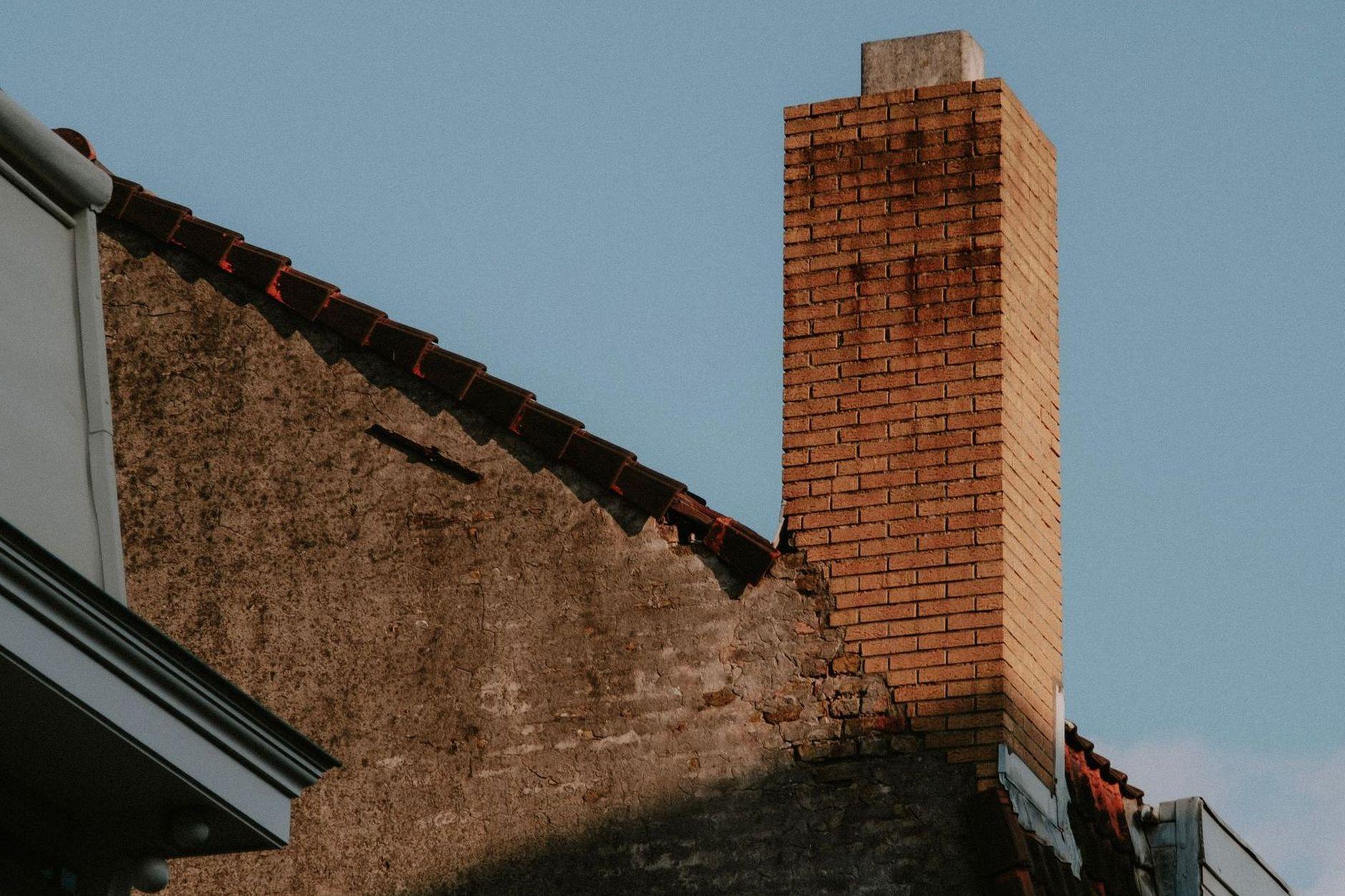
A chimney on a house built decades ago will not look new. Stained brick, a darker firebox, mortar that has weathered on the outside face: these show up on most older chimneys and are not safety problems. When we mark them as can wait, it gives the buyer's agent something solid to say to an anxious client, and it stops a deal stalling over cosmetic wear.
Things that should not wait
Cracked or missing flue tiles let heat and gases reach the wood framing around the chimney. A firebox with open joints does the same at the bottom. Flashing that has pulled away lets water into the roof. These are fix-now items in every report, and we will not soften them to help a sale along. If the fireplace should not be used until a repair is made, the report says so.
Sellers who would rather go first
Some sellers book the Level 2 before the house goes on the market. It costs the same as the buyer's inspection, and it takes the surprise out of escrow. With the report in hand, a seller can fix the fix-now items in advance, price the fix-soon items into the asking figure, and hand the buyer a report that already shows the work. Listing agents tell us it shortens the back and forth after the buyer's home inspection, because the chimney question has an answer before anyone asks it. If the buyer still wants their own Level 2, that is their right, and the two reports usually agree.
If the house is in an earthquake zone
That covers all of Orange County. On older chimneys we look at the upper stack above the roofline, where the 1987 and 1994 quakes did the most damage in Southern California. Cracks there may lead to a recommendation for a seismic retrofit or a rebuild to the roofline. We describe the options in general terms and price them in writing.
Booking during escrow
The order of steps is what matters. First the inspection, then the written estimate, then the negotiation, then any repair. Book the Level 2 as soon as the home inspector's note arrives, and tell us who should get the report. Send the home inspector's chimney note and the address for a written quote, and we will confirm which inspection fits and arrange access through the agent.
Agents can read our page for real estate agents. Buyers who cannot be at the house will find the home sale inspection page useful, and the repair cost guide explains how our estimates are built.
Sale inspections across the county
We are based in Tustin and inspect for buyers and sellers in Santa Ana, Costa Mesa, Mission Viejo and beyond. To book the Level 2 for your sale, call (657) 213-6989 with the address and your agent's name.
Want This Priced for Your Chimney?
Bellamy Chimney Group inspects chimneys from Tustin and writes up each repair at the levels that make sense, with a plain note on what can wait. Call and tell us what you have noticed.